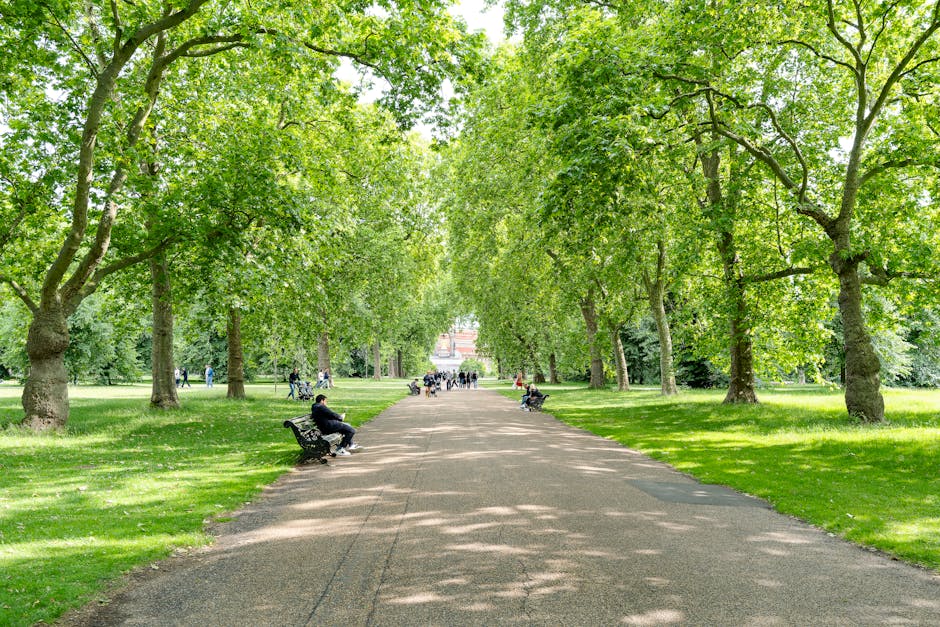
Hyde Park facing gardens specialist gardeners in Bayswater
If you live close to Hyde Park, you already know the gardens here face a very particular kind of pressure. Light shifts between tall buildings, wind funnels down streets, privacy matters more than people expect, and every planting decision seems to have a second life in your line of sight from the window. That is exactly why Hyde Park facing gardens specialist gardeners in Bayswater are so valuable: they understand how to design, maintain, and refine gardens that have to look good from inside, work well outside, and hold their shape through London's seasons.
These gardens are not just "small urban plots." They are often highly visible, exposed in one direction and sheltered in another, and judged from multiple angles. A good specialist gardener sees all of that at once. They think about structure, maintenance, planting rhythm, drainage, privacy, and the way a border reads at 7am on a wet Tuesday in March. Sounds specific? It is. That's the point.
In this guide, we'll break down what specialist gardeners actually do, when their approach makes sense, how they improve a Hyde Park-facing garden in Bayswater, and what to look for if you want work that feels calm, elegant, and properly thought through. If you're also building a wider garden project, it can help to look at related services such as garden maintenance, garden design, and landscaping so the whole scheme works together rather than in isolated pieces.
Table of Contents
- Why Hyde Park facing gardens specialist gardeners in Bayswater Matters
- How Hyde Park facing gardens specialist gardeners in Bayswater Works
- Key Benefits and Practical Advantages
- Who This Is For and When It Makes Sense
- Step-by-Step Guidance
- Expert Tips for Better Results
- Common Mistakes to Avoid
- Tools, Resources and Recommendations
- Law, Compliance, Standards, or Best Practice
- Options, Methods, or Comparison Table
- Case Study or Real-World Example
- Practical Checklist
- Conclusion
- Frequently Asked Questions
Why Hyde Park facing gardens specialist gardeners in Bayswater Matters
Gardens facing Hyde Park or looking toward its greener edges have a few advantages, but they also bring a few headaches. The views are lovely, obviously, yet the space can feel exposed, noisy, or a bit too public if the layout is not handled carefully. Bayswater properties often have mature surroundings, varied architecture, and limited footprint, so every square metre has to earn its keep.
Specialist gardeners matter here because they understand context. They're not just cutting hedges and planting seasonal colour. They are thinking about how the garden sits within a wider London streetscape, how the light changes across the day, and how to create a space that feels private without shutting out the elegance of the view. Truth be told, that balance is harder than it looks.
There is also the maintenance side. A garden with high visibility tends to show neglect quickly. A box border clipped unevenly, a lawn struggling at the edges, or a climber left to ramble can make the whole space feel tired. The right gardener keeps things steady, not overworked. Steady is good. Steady lasts.
Expert summary: In a Hyde Park-facing Bayswater garden, success usually comes from three things: restrained planting, strong structure, and maintenance that is regular enough to keep the space crisp but not so heavy-handed that it loses character.
If you're planning a broader refresh rather than routine upkeep, it may also be worth exploring planting design and hedge cutting. Those details make a big difference in gardens that are seen from inside as much as from the terrace.
How Hyde Park facing gardens specialist gardeners in Bayswater Works
The process usually starts with an assessment of the space as it is, not as you imagine it on a sunny May afternoon. A specialist gardener will look at exposure, drainage, soil condition, access, existing hard landscaping, and what the garden is supposed to do day to day. Is it a quiet sitting area? A visual extension of a reception room? A planting-led retreat? A place for family use or entertaining? Each answer changes the plan.
In a practical sense, the work often falls into a few connected stages:
- Site review: measuring light, shade, wind, privacy, and soil conditions.
- Objective setting: deciding whether the priority is beauty, maintenance reduction, privacy, year-round structure, or all four.
- Planting strategy: selecting species that cope with London conditions and still deliver texture, scent, and seasonal interest.
- Structural decisions: paths, edging, raised beds, screens, pots, and focal points.
- Maintenance rhythm: agreeing how often pruning, feeding, deadheading, and lawn care should happen.
That rhythm is important. A Hyde Park-facing garden can't usually be treated as a once-a-year tidy-up job. It needs seasonal correction. A little tweak in April, a sharper check in midsummer, a slower reset in autumn. Not dramatic, just consistent.
Some specialists also coordinate with related services when the garden needs more than soft landscaping. For example, if the boundaries are weak or the layout needs better flow, a gardener may work alongside teams offering fencing or patio installation. That joined-up approach saves a lot of awkward patching later on.
Key Benefits and Practical Advantages
The obvious benefit is a better-looking garden. But with specialist care, the gains go deeper than appearance. The whole place starts to feel easier to use, easier to keep tidy, and more in tune with the building itself. In Bayswater, where many homes have character and proportion that deserve respect, that matters a lot.
- Improved privacy: clever screening and layered planting reduce overlooking without making the garden feel boxed in.
- Better year-round structure: strong evergreen bones prevent the space from collapsing visually in winter.
- Lower stress maintenance: good design and regular care reduce the endless catch-up feeling many urban gardens have.
- Healthier planting: suitable species and proper soil care improve survival and reduce replacement costs.
- More usable outdoor space: the garden becomes somewhere you actually want to sit, not just look at through glass.
- Higher visual value: a well-managed garden can lift the presentation of the whole property, especially where views are prominent.
One of the quieter benefits is confidence. When the borders are clipped properly, the pots are refreshed before they go tatty, and the structure makes sense, you stop feeling like the garden is "another job." It becomes part of the home again. That sounds small, but it really isn't.
For homeowners with larger or more detailed outdoor schemes, connecting maintenance with broader support such as tree surgery can help manage light levels and canopy balance without disrupting the character of the space.
Who This Is For and When It Makes Sense
This kind of specialist gardening service is a strong fit for people who want more than routine mowing and pruning. It's especially useful if your garden is visible from a main living area, forms part of a premium rental or hospitality property, or sits in a location where appearance and discretion both matter.
You may need Hyde Park-facing garden expertise if:
- your garden feels too exposed or overlooked;
- the planting looks flat in winter or patchy in summer;
- you want a garden that looks polished from inside the house;
- the soil drains badly or dries out too fast;
- your current gardener is reliable but not especially design-led;
- you need a plan for regular care rather than one-off tidying;
- you're preparing a property for sale, letting, or frequent guests.
It also makes sense for people who simply don't have time to manage details. Let's face it, a city garden can become a bit of a sneaky time sink. One month it's all looking neat; the next, a jasmine has decided to go on holiday in the wrong direction and the pots are sulking. A specialist keeps those little dramas under control.
If you're comparing service levels, it may help to read about ongoing garden maintenance versus more project-focused work. Some spaces need both. Some only need a very disciplined maintenance plan. The right answer depends on the garden, not a sales pitch.
Step-by-Step Guidance
If you're approaching this for the first time, here's a sensible way to think about it. Not every garden needs a dramatic transformation. Many of the best results come from careful, staged improvements.
1. Start with the function, not the plants
Ask what the garden must do. Is it for morning coffee, evening entertaining, children, pets, display, or all of those in a tight space? A garden that is beautiful but inconvenient will quietly disappoint you. Every time.
2. Map the real light and exposure
Do not rely on a quick glance. Watch the garden through the day if you can. Morning light, midday brightness, and late-afternoon shade can be very different in Bayswater, especially where buildings and trees shape the conditions. The best plant choices come from observing, not guessing.
3. Decide what should stay visible
In a Hyde Park-facing setting, view management matters. You may want to frame open outlooks while screening street-level views. A good gardener balances these layers with planting, trellis, climbers, and carefully placed hedging.
4. Build in structure before colour
Year-round structure usually comes from evergreen shrubs, clipped forms, containers, and simple lines. Then you add colour through seasonal planting. If you reverse that order, the garden can look cheerful for a few weeks and tired for the rest of the year.
5. Establish a maintenance rhythm
Agree how often work should happen. Weekly, fortnightly, monthly, seasonal. There is no magic number, but there is definitely a wrong one, and it is usually "whenever we get around to it."
6. Review after one full season
By the end of spring or summer, you'll know whether the scheme is working. Did the planting hold? Was pruning too aggressive? Did any area get too dry? Small changes at that stage can save a lot of grief later.
A practical note: if your garden also needs border reshaping, new access, or hard surface improvements, it is often worth coordinating with landscaping support early rather than treating it as a separate decision later on.
Expert Tips for Better Results
There are a few habits that consistently improve results in this type of garden. Nothing glamorous. Just smart, steady choices.
Use restrained planting palettes
Too many colours and plant forms can make a small or visible garden feel messy. A limited palette often looks more expensive, even if the plants themselves are modest. Greens, whites, soft blues, silver foliage, and seasonal accents usually work well in London settings.
Prioritise texture over flash
Texture holds interest in wind, shade, and winter. Think leaf shape, height variation, and movement. A garden with good texture still looks alive on a grey day, which in Britain is no small thing.
Watch the edges
Edges make the difference between "done" and "nearly done." A crisp lawn edge, a tidy border line, or a clean gravel boundary can transform the feel of a garden without changing the whole layout.
Choose plants for pace, not just appearance
Some plants look lovely but need constant correction. In a high-visibility garden, slow-to-medium growers often create less hassle. Fewer surprises. Less pruning panic in July.
Keep pots under control
Containers are brilliant in urban gardens, but they can easily become clutter. Two or three well-chosen pots often outshine a crowded collection. And yes, odd numbers tend to look more relaxed, though there are exceptions. There always are.
Plan for sightlines from indoors
Stand in the rooms that face the garden and view the space from there. That's where many mistakes show up. A border that looks fine from the terrace can feel oddly flat from a first-floor window.
Sometimes the smallest detail carries the most weight. A fresh mulch line, a clean pot rim, a clipped evergreen ball catching morning light. Little things. But they matter.
Common Mistakes to Avoid
Most garden problems in this setting come from trying to force a generic solution onto a very specific space. Bayswater is not a blank canvas. Hyde Park-facing gardens have their own microclimate, rhythm, and visual expectations.
- Overplanting: too many species creates visual noise and more maintenance.
- Ignoring drainage: wet pockets can ruin roots and make paths muddy or slippery.
- Choosing thirsty plants without irrigation: lovely in theory, awkward in practice.
- Neglecting winter structure: some gardens look great for six weeks and then disappear visually.
- Using the wrong pruning timing: a misplaced cut can remove flowers or weaken growth.
- Letting screening become oppressive: too much privacy planting can block light and make the space feel enclosed.
- Buying plants without a maintenance plan: pretty at the nursery, troublesome later on.
One common trap is trying to "fix" a garden with more stuff. More pots, more flowers, more features. Usually that just creates clutter. Often, the better answer is subtraction: remove one awkward element, simplify the palette, and let the strongest features breathe.
If your garden has been overworked or underworked for a while, a measured reset can help. Sometimes the neatest solution is just a better structure and a calmer planting scheme.
Tools, Resources and Recommendations
Good results come from good tools, but not necessarily exotic ones. A specialist gardener working in Bayswater will usually rely on a practical mix of hand tools, cutting equipment, soil improvers, and careful planning. The useful bit is knowing when to use each one, not collecting shiny kit for the sake of it.
| Need | Best Approach | Why It Helps |
|---|---|---|
| Year-round structure | Evergreens, clipped shapes, balanced containers | Prevents the garden from looking bare in winter |
| Privacy without heaviness | Layered planting, screens, selective hedging | Keeps the garden open while softening views |
| Better planting health | Mulch, soil improvement, correct watering | Supports roots and reduces stress in dry spells |
| Sharper presentation | Edging, pruning, deadheading, cleaning hard surfaces | Makes the whole space feel intentional |
| Reduced long-term hassle | Simple planting palettes and repeatable maintenance cycles | Less rework, fewer losses, better consistency |
For readers who want to understand the broader service picture, it can also help to look at garden design, planting design, and fencing solutions. These services often overlap in a city garden, especially where privacy, structure, and appearance all matter at once.
A simple recommendation: keep a seasonal note of what works and what doesn't. Which plants stayed sharp? Which border dried out first? Which area felt too shaded by late summer? A little record-keeping saves a lot of guesswork the following year.
Law, Compliance, Standards, or Best Practice
Most garden work in Bayswater is straightforward, but a few practical and legal considerations still matter. You do not want avoidable problems caused by careless pruning, access issues, or boundary disputes. London gardens can sit very close together, and that proximity makes common sense essential.
Good practice usually includes the following:
- Checking access carefully: especially where work may affect neighbours, shared entrances, or tight front and rear access.
- Being cautious with trees and larger shrubs: overcutting can stress plants and may create issues if trees are subject to protection or wider planning sensitivities.
- Respecting neighbour boundaries: always clarify what sits on which side before trimming, removing, or replacing boundary plants.
- Using safe working methods: secure ladders, proper tool handling, and sensible disposal of green waste.
- Thinking about drainage and runoff: especially where hard landscaping or regrading could affect adjacent properties.
If a project moves beyond routine care into layout changes, walling, paving, or structural alterations, it is wise to treat those as proper works rather than a casual tidy-up. In London, that often means checking what is needed before anything is lifted or rebuilt. Better to pause and ask than rush and regret, honestly.
For a home that faces a public green edge or a prominent street outlook, a professional approach is also about discretion and consistency. Small details like tidy tool handling, clean site management, and careful waste removal create confidence. They matter more than people think.
Options, Methods, or Comparison Table
Not every garden in Bayswater needs the same level of service. Some need maintenance, some need redesign, and some need both. Here's a simple comparison to help you decide what fits best.
| Approach | Best For | What It Usually Includes | Watch Out For |
|---|---|---|---|
| Routine maintenance | Established gardens that mostly work already | Pruning, lawn care, deadheading, edging, seasonal tidy-ups | Won't fix structural layout issues on its own |
| Planting refresh | Gardens that feel tired or flat | New plants, soil improvement, rebalancing colour and texture | Needs the right ongoing care to succeed |
| Garden redesign | Spaces with poor flow, privacy, or visibility | Layout changes, zones, screens, borders, focal points | Higher upfront effort and more decision-making |
| Combined specialist care | High-value or highly visible gardens | Design, planting, maintenance, and structural coordination | Requires a clear brief so priorities stay focused |
In many Hyde Park-facing gardens, the combined approach is the one that makes the most sense. The space needs to look polished, but it also needs to be practical. One without the other just creates frustration later. That's the honest truth.
Case Study or Real-World Example
Here is a realistic example from the kind of project people often ask about in Bayswater. A terrace garden facing a green outlook had good bones but felt strangely unfinished. The planting was a mix of mature shrubs, a few tired pots, and one over-enthusiastic climber that had basically taken over its support. From inside, the view was cluttered. From outside, the space felt cramped.
The solution was not a dramatic rebuild. It was more thoughtful than that. The gardener simplified the planting palette, improved the edging, introduced a stronger evergreen structure, and lifted the canopy where it was blocking light. A couple of containers were retained, but the rest were edited out. Not removed for the sake of it, just reduced to what worked.
After the first round of work, the room facing the garden started to feel brighter. The garden itself looked calmer and more deliberate. Maintenance became easier too, because the work was no longer fighting the layout. That is the kind of change people often underestimate at first. It's not just visual. It changes how the space feels to live with.
There was also a small but telling moment: on a damp morning, the path no longer looked slick with leaf clutter, and the whole place had that faint smell of fresh mulch and clipped stems. A tiny detail, but a good one. These things add up.
Practical Checklist
Use this checklist before booking work or planning a refresh for a Hyde Park-facing garden in Bayswater.
- Have you identified the main purpose of the garden?
- Do you know which areas get sun, shade, wind, and moisture?
- Have you decided what should be screened and what should stay open?
- Is the current planting palette working through all four seasons?
- Are the borders, edges, and containers visually tidy?
- Do you have a maintenance plan that fits your schedule?
- Have you checked access, neighbour boundaries, and any structural concerns?
- Are there problem plants, poor drainage areas, or bare patches that need attention?
- Would related services like design, fencing, or landscaping help the project work better?
- Have you thought about how the garden looks from inside, not just outside?
If you can answer most of those clearly, you are already ahead of many garden projects. If not, that's fine too. It just means the starting point is a little more honest, which usually leads to better results anyway.
Conclusion
Hyde Park-facing gardens in Bayswater need more than generic gardening care. They need a considered hand, a good eye for structure, and a maintenance approach that respects both the view and the realities of London living. The best specialist gardeners understand how to make a garden feel private without shutting it in, polished without feeling sterile, and practical without losing charm.
Whether your goal is to restore an overgrown space, refine an established garden, or build a calmer maintenance routine, the key is to start with the garden you actually have. Not the ideal version. The real one. From there, careful planning can do a lot - sometimes more than people expect.
If you want a more beautiful, manageable outdoor space that suits the setting and feels right from the house, now is the time to take the next step.
Get a free quote today and see how much you can save.
And if nothing else, remember this: a well-tuned garden in Bayswater doesn't have to shout. It can just quietly make the whole home feel better.
Frequently Asked Questions
What do Hyde Park facing gardens specialist gardeners in Bayswater actually do?
They handle the maintenance, planting, structure, and presentation of gardens that are especially visible, exposed, or design-sensitive. In practice, that often means pruning, planting, edging, seasonality planning, and making sure the garden looks good from both inside and outside the property.
Why is a specialist better than a general gardener for this type of garden?
A specialist is more likely to understand light, privacy, structure, and the visual demands of a prominent London garden. That matters when the space needs to look refined all year, not just during the summer months.
How often should a Hyde Park-facing garden in Bayswater be maintained?
It depends on the size and planting, but many city gardens benefit from regular visits rather than occasional large jobs. Fortnightly or monthly care is common for visible spaces, with seasonal pruning and refreshes layered on top.
Can a small garden still benefit from specialist care?
Absolutely. Small gardens often benefit even more because every border, pot, and line of sight matters. A few good decisions can make a compact space feel much calmer and more spacious.
What plants usually work well in these gardens?
Plants that cope well with London conditions, offer structure in winter, and don't become too fussy about pruning are usually a good fit. Evergreen shrubs, tidy grasses, climbers, and selected seasonal planting often work well, but the right mix depends on light and exposure.
How do I make the garden feel more private without losing light?
Use layered planting, selective screening, and well-placed structures rather than solid, heavy barriers. The aim is to soften views, not block everything out. That balance is often the difference between pleasant and claustrophobic.
Is a redesign always necessary?
No. Many gardens only need better maintenance, sharper pruning, and a simpler planting scheme. A redesign makes sense when the layout, privacy, or flow is genuinely wrong. Otherwise, a refresh may be enough.
What should I ask before hiring a specialist gardener?
Ask about their approach to maintenance, planting selection, seasonal care, and how they handle gardens with privacy or visibility concerns. It also helps to ask what they would improve first, because that usually reveals how they think.
Are there compliance issues I should think about in London garden work?
Yes, especially where trees, boundaries, access, or structural changes are involved. It is sensible to check what applies before major work starts. Good professionals will usually raise those issues early rather than brushing past them.
How long does it take to improve a tired garden?
Some improvements are immediate, like tidier edges or clearer pruning. Others take a full season or more, especially if the planting is being replaced or the soil needs attention. Good gardens tend to build rather than appear overnight.
What is the biggest mistake people make with visible urban gardens?
Probably trying to do too much at once. Overplanting, overdecorating, and overcorrecting can make the garden feel busy instead of elegant. Simplicity, done well, usually wins.
Can I combine maintenance with design or landscaping work?
Yes, and often that is the smartest route. Maintenance keeps the garden healthy; design and landscaping make sure the space works properly. Together, they create a result that lasts longer and feels more coherent.