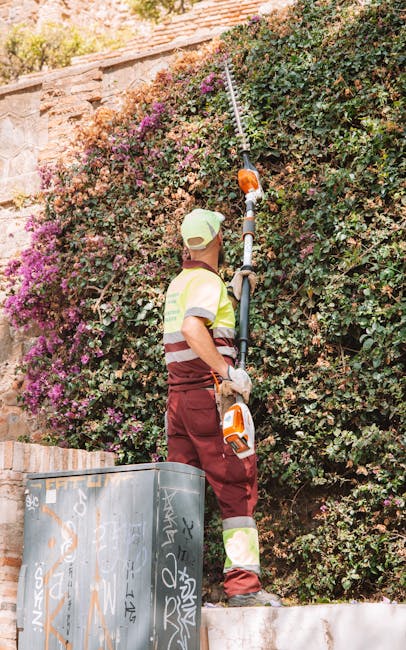
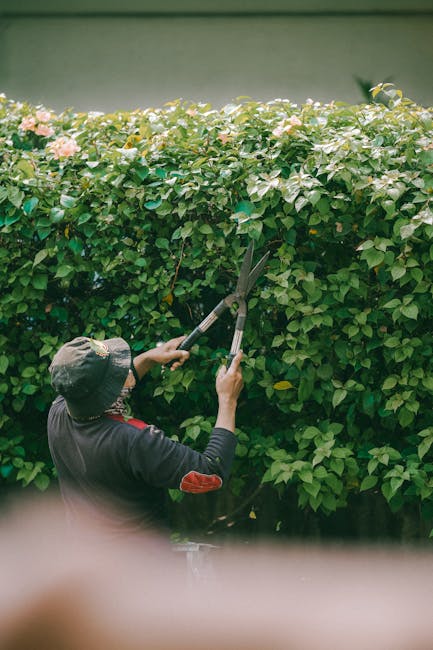
How much do gardeners charge in Bayswater last minute rates
If you need a gardener at short notice, the first thing you usually want to know is simple: how much do gardeners charge in Bayswater last minute rates, and what makes the price jump when time is tight? It's a fair question. Urgent garden jobs have a way of appearing out of nowhere - a hedge that suddenly looks untidy before visitors arrive, a lawn that has gone wild after rain, or a garden clearance that cannot wait until next week.
The short answer is that last-minute garden work in Bayswater is often priced differently from routine, pre-booked maintenance. You may pay a premium for speed, same-day availability, weekend cover, or a job that needs extra labour and disposal time. The better question is not just what the hourly rate is, but what you are actually getting for that money.
This guide breaks down last-minute gardener charges in a clear, practical way. You'll see what affects cost, how urgent bookings are usually priced, when a premium is reasonable, and how to avoid overpaying when you're in a hurry. If you're comparing services, it can also help to look at a wider pricing and quotes guide or the wider services overview so you can match the job to the right level of service.
Table of Contents
- Why last-minute gardener pricing matters
- How last-minute rates usually work
- Key benefits and practical advantages
- Who this is for and when it makes sense
- Step-by-step guidance
- Expert tips for better results
- Common mistakes to avoid
- Tools, resources and recommendations
- Law, compliance, standards, or best practice
- Options, methods, or comparison table
- Case study or real-world example
- Practical checklist
- Conclusion
- Frequently asked questions
Why How much do gardeners charge in Bayswater last minute rates Matters
Last-minute gardening quotes matter because urgency changes the economics of a job. A routine visit can be scheduled into a gardener's normal route. A last-minute visit interrupts that route, often requires rearranging other work, and may need the gardener to bring extra equipment or disposal capacity on the spot. That time pressure is real, so the price often reflects it.
In Bayswater, where many homes have compact front gardens, shared access, paved courtyards, and mature planting squeezed into smaller spaces, urgent work can range from very quick to surprisingly involved. A garden that looks "just a bit messy" may turn into a two-hour tidy-up once someone gets on site and starts clearing clippings, cutting back growth, and removing green waste. To be fair, that's where the estimate often changes.
It also matters because people looking for urgent help are usually under time pressure themselves. Maybe you've got guests arriving tomorrow. Maybe a letting inspection is due. Maybe a storm has dropped branches everywhere and the whole place feels a bit defeated. In moments like that, you do not want a vague answer. You want a realistic explanation of what drives the charge, and what can be done quickly without wasting your money.
A good urgent quote should also help you decide whether you need simple maintenance, a heavier tidy-up, or something more substantial like garden clearance, hedge trimming, or even broader garden maintenance. That distinction is where a lot of confusion starts.
How How much do gardeners charge in Bayswater last minute rates Works
Last-minute garden pricing usually works in one of three ways: a minimum call-out charge, a fixed price for a defined task, or an hourly rate with a higher same-day premium. Some gardeners use a mix of these depending on the job. Others will quote based on the size of the area, access, the type of waste involved, and how long the work is likely to take.
Here's the simple version. If the job is fast, tidy, and predictable, pricing may stay fairly close to standard maintenance rates. If the request is urgent, awkward, or labour-heavy, the price rises. Not because anyone is being dramatic, but because last-minute work usually has less flexibility built into it.
In practice, the final cost is shaped by factors like:
- how soon the gardener needs to attend
- whether the visit is same-day, next-day, evening, or weekend
- how overgrown or cluttered the garden is
- how much green waste needs to be removed
- whether specialist equipment is needed
- if access is awkward, narrow, or restricted
- whether the job is a one-off tidy-up or part of ongoing maintenance
There's also a human side to it. If a gardener is already fully booked and fits you in between other jobs, you are effectively paying for schedule disruption. If they can route you into an existing round in Bayswater, the premium may be lower. That's why a clear description of the job helps so much - one photo can save a lot of back-and-forth, and a small headache later.
For larger jobs, a quote may be more sensible than an hourly arrangement. For smaller urgent tasks, an hourly rate can work well, provided there is a clear minimum charge and you understand what is included. If you are unsure, ask how the gardener handles materials, waste removal, and any extra time over the original estimate.
Key Benefits and Practical Advantages
The obvious benefit of a last-minute gardener is speed. But there's more to it than just getting someone out quickly. Good urgent garden work can prevent a small problem from becoming a bigger one. A wet lawn left too long can start to look patchy. A hedge left untrimmed can create access problems. A build-up of leaves and clippings can make paths slippery. The garden begins to feel harder to manage, not easier.
Another advantage is presentation. Bayswater homes often rely on outdoor spaces working hard in a small footprint. A quick trim, mow, or clearance can transform how the property feels. You notice it immediately: the sight lines improve, the place looks lighter, and suddenly the garden no longer feels like a job hanging over you.
There's also peace of mind. If you know someone can handle the task properly, safely, and without endless delay, that takes a lot of pressure off. Urgent work often carries a mental tax, honestly. It sits in the back of your mind until it is done.
Key practical advantages include:
- faster turnaround for inspections, events, or tenancy changes
- reduced stress when a garden has become unmanageable
- less chance of damage from neglect, overgrowth, or blocked access
- better curb appeal with minimal delay
- clearer budgeting when the scope is defined early
If the work is more than a light tidy-up, it may be worth bundling related tasks together. For example, a mower visit can be paired with edging and a light prune; a hedge trim can be combined with a general tidy; a larger reset may need garden clearance followed by ongoing garden maintenance. That approach is often more cost-effective than booking several separate emergency visits. A bit boring, maybe - but smart.
Who This Is For and When It Makes Sense
Last-minute gardening services make sense for people who need a fast, practical fix rather than a long planning cycle. That includes homeowners, tenants, landlords, letting agents, property managers, and anyone preparing a property for a visit or handover. If you've ever looked out the window on a Friday evening and thought, "Well, that escaped me," you already know the feeling.
This type of booking is especially useful when the problem is visible and time-sensitive. A lawn gone too long between cuts. A hedge blocking light or access. Weeds taking over a path. A garden that has been fine all year and then, suddenly, has that awkward run of weather where everything grows at once. British gardens do love a bit of chaos when you are not looking.
It can also be the right choice if the job is physically awkward or simply not one you want to tackle yourself. Not every urgent task is huge, but some are fiddly. Cutting back tall shrubs, moving heavy waste, or tidying after a storm can be more work than it first appears. If there is a safety concern, it may be better to book a professional rather than trying to improvise.
On the other hand, if your garden needs a full transformation, last-minute rates may not be the best place to start. In that case, a broader plan through landscaping or landscape gardening may suit you better. Urgent help is for solving the immediate problem; bigger projects deserve a proper design and sequencing.
Step-by-Step Guidance
If you want a fair last-minute quote, the process is usually straightforward. A little preparation goes a long way here.
- Describe the job clearly. Say what needs doing, how urgent it is, and whether it is a one-off or part of ongoing work.
- Share photos if possible. A quick set of images helps the gardener judge size, waste, and access. It saves time for everyone.
- Be specific about timing. Same-day, tomorrow morning, or by Friday afternoon are very different requests.
- Ask what is included. Confirm whether labour, fuel, disposal, and materials are covered in the price.
- Check the access details. Narrow side returns, locked gates, parked cars, or shared entrances can affect how quickly the work can be done.
- Confirm the likely scope. Is it a mow and tidy, or does it also include hedge trimming, leaf clearance, or waste removal?
- Get the quote in writing if you can. Even a short message can avoid misunderstandings later.
- Book and prepare the space. Move vehicles, unlock gates, and remove fragile items so the gardener can get on with the work.
That's the practical rhythm of it. Nothing fancy. The clearer the brief, the less chance of surprise costs. And surprise costs, let's face it, are never the good kind.
If you want to improve your odds of getting a sensible price, also ask whether the gardener can combine the urgent task with a routine service route. Sometimes a crew already working nearby can fit in a smaller job more efficiently, which may soften the premium. Not always, but sometimes it helps.
Expert Tips for Better Results
In our experience, the best urgent garden jobs start with very plain communication. Avoid saying "the garden needs sorting" if you can say "the lawn needs mowing, the front hedge needs a light trim, and the waste can stay on site." The second version gives a much better basis for a quote. Simple, but it matters.
Here are a few practical tips that usually save money and stress:
- Prioritise the must-do items first. If time is short, focus on the parts that affect appearance, access, or safety.
- Group related work together. One visit for mowing, edging, and light clearing is often better value than separate call-outs.
- Be honest about the state of the garden. If the space is very overgrown, say so. Nobody benefits from pretending it is just a "quick tidy."
- Ask about waste handling early. Green waste can add time and cost, especially if the pile is larger than expected.
- Keep expectations realistic. A last-minute appointment can rescue the garden, but it may not turn it into a show garden in two hours.
One thing people often overlook: weather. A wet or windy day can slow some tasks down, especially mowing, hedge trimming, or moving cuttings. If the forecast looks grim, ask whether the work can still be done safely and efficiently. There is no virtue in rushing through damp, slippery ground just to hit a clock.
Also, if you care about how the garden is left afterwards, mention that clearly. Some customers want clippings removed, others prefer them bagged, and some are happy for them to be left for composting. That small detail can change the job flow quite a bit.
Common Mistakes to Avoid
The biggest mistake is assuming "last minute" only means a small premium. Sometimes it does. Sometimes it doesn't. If the space is overgrown or the access is difficult, the urgency can sit on top of a larger-than-expected job. That is where people get caught out.
Other common mistakes include:
- Not explaining the full scope. If the hedge, lawn, and waste all need attention, say that upfront.
- Forgetting to mention access issues. Locked gates and awkward entries can eat time fast.
- Choosing only on price. The cheapest urgent quote can be a false economy if it excludes waste removal or finishes halfway through the job.
- Leaving too little time to compare. Even a quick compare of two or three options can prevent a rushed decision.
- Assuming every gardener handles every task. Some are best for mowing and maintenance, others for bigger clearances or pruning work.
Another subtle mistake? Not asking how the quote changes if the job takes longer than expected. That one catches people more often than it should. A good professional will be upfront about any hourly overrun or extra-material charge.
If the work involves trees, large branches, or anything potentially hazardous, it's better to check that the gardener is comfortable with that type of job. For more involved work, you may need a specialist service such as tree lopping and removal. Urgency is not the same as suitability.
Tools, Resources and Recommendations
For most urgent jobs, a good gardener will arrive with the basics: mower, trimmer, shears, pruning tools, rake, bags or containers for waste, and protective equipment. For larger clearances, extra transport or disposal arrangements may be needed. That is one reason costs can rise quickly when a garden has a lot of debris.
As a customer, the most useful "tool" is actually preparation. Photos, a short written brief, and easy access to the garden tend to make the biggest difference. A simple message with the essentials saves more time than a long explanation after the fact. It really does.
Useful things to have ready before the visit:
- your preferred time window
- a rough description of the work
- photos of the garden from a few angles
- details of gates, parking, or access restrictions
- any preferences on waste removal
- note of anything fragile, slippery, or unsafe
If you want to understand service fit, it can help to compare the request against the provider's broader service pages. For example, a standard mow is not the same as a bigger lawn mowing visit plus edging, and a cut-back hedge is not the same as structural pruning. Clarity wins every time.
For customers who value sustainable handling of waste, it is worth asking how arisings are managed. A responsible approach to green waste disposal and recycling can reduce unnecessary landfill use and make the job feel better organised overall. If that matters to you, check the company's recycling and sustainability information.
Law, Compliance, Standards, or Best Practice
For domestic gardening work in the UK, the main thing to remember is that safety and responsible conduct matter, especially when the job is rushed. Good practice usually means clear communication, sensible risk awareness, suitable equipment, and proper handling of waste. That is true whether the job is a simple tidy-up or a more demanding urgent booking.
If a gardener is working with power tools, ladders, sharp implements, or near unstable structures, a careful approach is essential. A rushed job should never mean a careless one. Clients should expect the work to be completed in line with reasonable safety practices, and professionals should be able to explain how they manage risk on site. If you want more detail on this side of things, it is sensible to review a provider's health and safety policy and insurance and safety information.
Waste handling is another area where best practice matters. Cuttings, soil, branches, and general garden waste should be managed responsibly. Depending on the job, that can mean bagging, loading, removing, or arranging disposal in a way that is tidy and proportionate. If waste is involved, ask about it. Don't assume. It's a tiny question that avoids a lot of annoying surprises.
Customers should also expect transparent business terms. In urgent work, written confirmation of scope, timing, and payment expectations is helpful. If you want to understand how a company structures bookings, charges, and payment handling, take a look at its terms and conditions and payment and security details. That is not just admin. It's part of a clean, trustworthy service.
Options, Methods, or Comparison Table
Not every urgent garden problem needs the same solution. The table below gives a practical comparison of common approaches, so you can think about value rather than just speed.
| Option | Best for | Typical pricing style | What to watch for |
|---|---|---|---|
| Same-day tidy-up | Fast presentation fixes, light mowing, leaf clearing, quick hedge touch-ups | Minimum call-out or short hourly booking | May not include heavy waste removal |
| Next-day urgent booking | Jobs that are important but not emergency-level | Fixed quote or hourly rate | Book early to avoid schedule gaps |
| Weekend or evening visit | When weekday access is impossible | Often includes a premium | Check whether timing affects the price |
| One-off clearance | Overgrown or neglected gardens | Quote based on scope and waste | Can cost more than expected if access is awkward |
| Ongoing maintenance after the urgent job | Keeping a garden under control after a reset | Regular maintenance pricing | Usually better long-term value than repeated emergency visits |
That last row is worth thinking about. If you keep ending up in a "please rescue the garden" situation, the problem may not be the quote. The problem may be that the garden needs a maintenance rhythm rather than a heroic intervention every few months. A lot less stressful, too.
Case Study or Real-World Example
Here's a realistic example. A Bayswater homeowner has family arriving on Saturday afternoon. On Thursday evening, the garden still looks respectable from a distance, but the hedge has pushed out, the lawn is slightly shaggy, and there are fallen leaves collecting along the path. They want it sorted quickly, but they do not need a full redesign.
In that situation, the sensible approach is usually a focused urgent visit: mow the lawn, trim the visible hedge edges, clear leaves, and remove the green waste if required. If the access is straightforward and the garden is moderate in size, the job may be kept fairly contained. If the hedge is taller than expected or the waste pile is larger, the price moves up. That is normal.
Now compare that with a different scenario. A rental property needs to be ready for inspection, but the back garden is overgrown, the borders are cluttered, and there is debris from old plants and broken pots. That is no longer a light tidy-up. It is closer to clearance plus maintenance recovery, which is why a quote may be materially higher than a quick same-day mow. Same urgency, very different workload.
The key lesson? The more accurately the job is described, the fairer the price will be. Everyone wins when the quote matches the actual work. It sounds obvious, but it is where many last-minute bookings go sideways.
Practical Checklist
Use this quick checklist before you book a last-minute gardener in Bayswater:
- Have you explained exactly what needs doing?
- Have you said how urgent the job is?
- Have you shared photos or a clear description?
- Do you know whether waste removal is included?
- Have you confirmed access, parking, and gate details?
- Have you asked whether the quote is fixed or hourly?
- Do you understand whether there is a minimum call-out charge?
- Have you checked whether the job needs specialist equipment?
- Have you considered whether a maintenance plan would be better afterwards?
- Have you read the company's booking and payment terms?
If you can tick most of those off, you are in a strong position to get a fair price and a good result. Not glamorous, perhaps. But very effective.
Conclusion
So, how much do gardeners charge in Bayswater last minute rates? In real terms, it depends on urgency, job size, access, waste, timing, and whether the work is a simple tidy-up or a more demanding clearance. The fastest bookings usually cost more, but a sensible quote should still feel transparent, proportionate, and tied to the actual task.
If you want the best value, be specific, share photos, ask what is included, and focus on the outcome you actually need. Sometimes that is just a neat lawn and a trimmed hedge. Sometimes it is a proper reset after things have got away from you. Either way, a clear brief makes the whole process easier.
Get a free quote today and see how much you can save.
And if the garden has felt a bit out of control lately, don't beat yourself up. They do that sometimes. The important thing is getting it back on your side, one sensible step at a time.
Frequently Asked Questions
How much do gardeners charge for same-day work in Bayswater?
Same-day work is often charged at a premium compared with routine visits, but the exact figure depends on the size of the job, the time of day, and whether waste removal is included. A small tidy-up may stay fairly close to standard maintenance pricing, while a bigger clearance can cost more.
Why do last-minute gardener rates cost more?
Because the gardener has to reorganise existing work, travel quickly, and often fit the job into a tighter schedule. You are paying for speed, flexibility, and often a more disrupted diary. That is the short version, anyway.
Is it cheaper to book a gardener in advance?
Usually, yes. Planned work gives the gardener more flexibility to route jobs efficiently and schedule them alongside other visits. If the task is not urgent, booking ahead is almost always better value.
Do gardeners in Bayswater charge by the hour or by the job?
Both models are common. Smaller urgent tasks may be charged hourly or with a call-out minimum, while larger or more complex jobs are often quoted as a fixed price. The best option depends on how well defined the work is.
What affects the final price most?
The biggest factors are urgency, garden size, overgrowth, waste removal, access, and whether specialist tools are needed. Even a small job can rise in price if the space is awkward or the waste volume is high.
Can I get a quote from photos alone?
Often, yes - especially for straightforward jobs. Photos help a gardener assess scale and likely effort quickly. For more complex work, they may still want a brief call or an on-site look before confirming.
What kind of jobs count as last minute gardening?
Common examples include urgent lawn mowing, hedge trimming, leaf clearance, border tidy-ups, and garden clearance before an inspection or event. If the work needs doing within a day or two, it usually counts as urgent.
Should I choose the cheapest urgent quote?
Not automatically. The cheapest option may exclude waste removal, understate the job size, or leave you with an unfinished result. Look at what is included, not just the headline number.
Do gardeners remove the waste as part of the price?
Sometimes they do, sometimes they do not. Waste removal should always be confirmed in advance because it can change the price quite a bit, especially for clearance jobs or heavy cuttings.
What if my garden is badly overgrown?
If the garden is badly overgrown, expect the job to move from a simple tidy-up into a more intensive clearance or restoration job. That usually means more time, more labour, and possibly a higher quote. Being upfront about the condition helps avoid surprises.
How can I keep future garden costs lower?
Regular maintenance is the easiest way to reduce emergency pricing. A steady mowing or trimming schedule prevents the garden from building up into a bigger, more expensive job. A little upkeep goes a long way.
Is it worth booking ongoing maintenance after a last-minute visit?
Often, yes. If you have already needed one urgent call, a follow-up maintenance plan can help keep things under control and reduce the chance of another panic booking. It is usually calmer and better value over time.
What should I ask before confirming a last-minute gardener?
Ask what the quote includes, whether it is fixed or hourly, how waste is handled, how soon they can arrive, and whether any extra charges may apply. Those few questions cover most of the common headaches.
Where can I learn more about the company before booking?
You can read more about the team on the about us page and review service details on the services overview. That often helps when you want a better sense of fit before you commit.