Avoid fines for bonfire rules in Bayswater gardens: a practical guide for homeowners and tenants
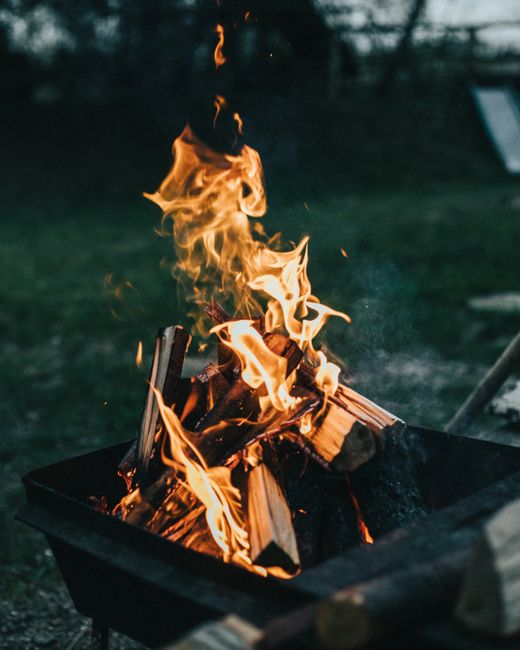
If you are trying to avoid fines for bonfire rules in Bayswater gardens, the safest approach is usually simpler than people expect: know what counts as a nuisance, plan around your neighbours, and think carefully before lighting anything at all. Bonfires can seem harmless on a crisp evening, with that dry leaf smell in the air and a tidy pile of cuttings ready to go, but they can also trigger complaints very quickly. In a built-up area, even a small fire can drift smoke into nearby homes, annoy children, set off alarms, or create a mess that lingers long after the flames are out.
This guide explains the practical side of bonfire rules in a Bayswater garden setting, what can go wrong, how to reduce the risk of complaints or enforcement action, and when it makes more sense to choose another garden waste option altogether. It is written for real life, not theory. Because let's face it, nobody wants to spend a quiet evening dealing with a smoky garden and an unhappy neighbour.
Why Avoid fines for bonfire rules in Bayswater gardens Matters
Bonfire issues are rarely just about the fire itself. In a place like Bayswater, the concern is usually the impact on the people around you. Smoke travels. Ash lands on washing. A strong smell hangs in the air. A small fire that looks manageable from your own patio can be a different story from the pavement, the neighbouring flat, or the room next door with an open window.
That is why bonfire complaints often start with nuisance rather than danger. If someone can reasonably argue that your fire is affecting their enjoyment of their home, garden, or even their breathing, you are already in awkward territory. In practice, the safest way to stay out of trouble is to treat every bonfire as something that needs judgement, not just permission.
There is also a reputation point here. If you live in a terrace, mews, converted building, or any shared setting, repeated smoke or poor timing can damage neighbour relations quickly. One bad evening can lead to weeks of tension. To be fair, it is never just about one pile of garden waste.
Expert summary: The goal is not simply to "get away with" a bonfire. The goal is to avoid causing a nuisance, reduce fire risk, and choose the cleanest, least disruptive way to clear garden waste.
How Avoid fines for bonfire rules in Bayswater gardens Works
There is no single universal "bonfire licence" for gardens, and that is where confusion starts. What matters in practice is whether the fire creates a problem for others, breaches local restrictions, or becomes unsafe. The rules around bonfires tend to sit across nuisance, smoke, safety, and local expectations. So the decision is less about whether you can light a fire and more about whether you should.
In everyday terms, that means checking a few things before you do anything:
- Whether the garden is suitable for a fire at all
- Whether the waste is dry and appropriate to burn
- Whether the weather is calm enough for smoke to disperse
- Whether neighbours are likely to be affected
- Whether the timing is sensible for the area
For most households, the biggest mistakes are predictable: burning too much at once, using damp material, lighting up in the evening when windows are open nearby, and assuming that a small fire is automatically fine. It is not that simple. A little smoke in the wrong place can still become a complaint.
If your garden is being cleared as part of a wider tidy-up, you may find it more practical to pair waste removal with other services such as garden clearance or ongoing garden maintenance. That usually reduces the volume of waste you would otherwise be tempted to burn in the first place. Sensible, really.
Key Benefits and Practical Advantages
Following bonfire rules carefully is not just about avoiding a fine. It makes the whole process calmer and more manageable. A little planning goes a long way, and in a dense residential area that matters more than people think.
- Lower chance of complaints: Less smoke, less smell, less friction with neighbours.
- Reduced fire risk: Better control means fewer accidents, especially on dry or breezy days.
- Cleaner garden: Thoughtful waste handling prevents ash and charred debris from spreading.
- Better timing: You can choose a moment when the fire is least disruptive.
- Less stress: No wondering whether a knock on the door is about to happen.
There is also a practical side people forget: once a bonfire starts, your options narrow. If the wind changes, if the smoke hangs low, or if the pile burns unevenly, you have to manage it in real time. That is harder than it sounds on paper. A method that seems quicker at the start can become the messy one by the end.
For some gardens, especially ones with mixed planting, old timber, hedge cuttings, and seasonal debris, it may be worth comparing bonfire plans with broader outdoor improvements. Services like landscaping or landscape gardening can help create a tidier space that produces less waste over time. A cleaner layout usually means fewer impulse bonfires. Funny how that works.
Who This Is For and When It Makes Sense
This guidance is useful if you are a homeowner, tenant, landlord, or property manager dealing with garden waste in a shared or closely built environment. It is especially relevant if you have mature trees, hedge cuttings, seasonal leaves, or the aftermath of a bigger tidy-up after winter. Bayswater gardens can vary hugely in size and setup, so one person's "tiny burn pile" may still be another person's nuisance.
It makes sense to read this before you do any of the following:
- clear out a neglected garden at the back of a property
- deal with hedge trimmings after a seasonal cut
- remove branches, dead stems, and old growth
- prepare a garden for visitors, sale, or letting
- decide whether to burn waste or dispose of it another way
It is also helpful if you are not sure whether the material you have should be burned at all. In many cases, green waste, woody waste, and mixed rubbish should not all be treated the same way. A bit of practical sorting can save you a lot of hassle later.
If branches are the issue, a service such as tree lopping and removal may be more appropriate than trying to deal with them yourself by fire. Likewise, heavy growth and awkward boundaries are often better handled through hedge trimming or a broader garden tidy than by burning everything in sight.
Step-by-Step Guidance
Here is the straightforward version. If you are trying to avoid trouble, work through the decision like this.
- Check whether burning is actually the best option. Ask yourself if the waste could be composted, bagged, chipped, reused, or taken away instead.
- Sort the material first. Keep out plastics, treated wood, packaging, rubber, painted items, and anything that gives off unpleasant or harmful smoke.
- Choose the right time. Avoid windy weather, damp evenings, or times when neighbours are likely to have windows open.
- Keep the pile small. Smaller, controlled fires are much easier to manage than one huge heap.
- Prepare the area. Clear dry leaves, overhanging material, and anything flammable nearby.
- Stay with it. Never leave a fire to burn on its own, even for a short while.
- Have water or another suitable extinguishing method ready. You want to be able to respond quickly if needed.
- Finish fully. Make sure the fire is properly out and the remains are safe before you leave the area.
A small but important detail: if smoke is drifting towards neighbouring windows, stop and reassess. People often wait too long hoping it will clear. Sometimes it does. Often it doesn't. That's the honest answer.
If you are dealing with a larger garden clean-up, it may be easier to plan the job around a single visit from a professional team. You can compare options using the site's services overview and, if cost is a concern, look at pricing and quotes before deciding how to handle the waste.
Expert Tips for Better Results
Over time, the same patterns show up again and again. The people who avoid problems do a few simple things consistently, even if they are not glamorous.
- Burn less than you think you need to. A smaller pile is easier to control and less likely to create a nuisance.
- Wait for dry material. Damp garden waste smoulders, smokes, and smells worse.
- Keep a clean edge around the fire area. It sounds basic, but it helps a lot.
- Avoid mixed waste. If you are unsure whether something should be burned, don't guess.
- Think about the direction of the wind. Even a light breeze can carry smoke into the wrong place.
- Let neighbours know in advance when appropriate. A quick heads-up can soften a potential complaint.
One practical tip that saves grief: if your garden has a lot of repetitive seasonal waste, such as hedge clippings or regular mowings, a routine maintenance plan can reduce the need for bonfires altogether. A maintained garden is easier to manage, and honestly, it just feels better to use. See lawn mowing and ongoing garden maintenance if that is part of your wider routine.
And yes, sometimes the smartest tip is the least dramatic one: don't light the fire at all if the conditions are poor. Boring advice, but good advice.
Common Mistakes to Avoid
The fines and complaints people run into are usually the result of a few very ordinary mistakes. Nothing exotic. Just rushed decisions and a bit of wishful thinking.
- Burning wet material: This creates thick smoke and a lingering smell.
- Using a bonfire as a bin: Mixed household waste is not the same as dry garden waste.
- Lighting up in bad weather: Wind and rain make control and smoke management far worse.
- Ignoring neighbours: Even if you think you are in the right, repeated nuisance can still become a problem.
- Leaving the fire unattended: This is one of the worst habits, and it is avoidable.
- Burning near fences or structures: Heat can spread faster than people expect.
Another common one? Starting too late. A late-evening bonfire might seem peaceful at first, but it can carry smoke into bedrooms and sitting rooms right when people are winding down. Bad timing can turn a normal garden job into a complaint with very little effort. Not ideal.
Tools, Resources and Recommendations
You do not need a huge amount of kit, but having the right basics makes a big difference. Think practicality, not gadgetry.
| Option | Best for | Main advantage | Watch out for |
|---|---|---|---|
| Controlled garden bonfire | Small amounts of suitable dry waste | Quick disposal in the right conditions | Smoke, nuisance, and safety risk |
| Garden clearance service | Larger or mixed waste loads | Less disruption and better handling | May cost more than DIY |
| Regular garden maintenance | Ongoing upkeep | Less waste builds up in the first place | Requires consistency |
| Landscape or redesign work | Problem gardens with poor flow or heavy overgrowth | Reduces long-term mess and clutter | Usually a bigger project |
A fire bucket, hose, and gloves are sensible basics if a bonfire is genuinely the right choice. But if your garden regularly produces more waste than you can sensibly burn, it is probably time to step back and rethink the routine. A one-off fire is one thing. A repeat habit is another.
For larger branches and heavier cuttings, a professional approach can be much safer. If the work involves awkward trees or overgrown material, tree lopping and removal may prevent the temptation to burn too much at once. And if the garden includes built elements that need protecting, such as decking or timber structures, it is worth reviewing decking services and nearby surfaces before you set anything alight. Heat damage is annoyingly easy to cause.
Law, Compliance, Standards, or Best Practice
When people ask about bonfire rules, they often want a neat answer. The reality is a bit more nuanced. In the UK, bonfires can create issues under nuisance and safety expectations, and local rules or enforcement may apply depending on the circumstances. In plain English: if your fire affects other people, creates excessive smoke, or becomes unsafe, you can run into trouble.
Because of that, the best practice is to treat bonfires as a last resort rather than a default waste solution. You should also avoid burning anything that is likely to produce toxic or heavy smoke. Treated timber, plastics, rubber, painted materials, and general household rubbish are especially poor choices. Truth be told, if you have to ask whether something should go on the fire, it usually shouldn't.
Responsible garden work also ties into wider good practice. Safe waste handling, thoughtful site management, and respect for neighbouring homes all matter. That is why it can help to work with a company that takes safety seriously. You can review general commitments around responsible working through the site's health and safety policy, and for more reassurance around professional standards and cover, see insurance and safety.
There is also a sustainability angle. Burning should not be the first response to every garden cut-back. Reuse, recycling, composting, and scheduled clearance are often cleaner choices. That is why a page like recycling and sustainability is relevant here: it reflects the more modern way to think about garden waste. Less smoke. Less waste. Better outcome.
Options, Methods, or Comparison Table
If you are deciding how to deal with garden waste, a side-by-side comparison is usually more helpful than a vague "it depends". Here is the practical view.
| Method | Good points | Downsides | Best choice when |
|---|---|---|---|
| Bonfire | Can clear suitable dry waste quickly | Smoke, nuisance, timing issues, safety concerns | You have a very small, appropriate pile and ideal conditions |
| Garden clearance | Removes waste cleanly and efficiently | May involve a service cost | You have a larger load, mixed waste, or limited time |
| Regular maintenance | Prevents waste buildup | Needs ongoing attention | You want to avoid big clear-outs later |
| Landscape improvements | Can reduce clutter and improve use of the space | More involved upfront | The garden needs a longer-term fix |
The comparison is pretty clear in a built-up area: if you are trying to avoid complaints, the cleaner and more predictable options usually win. A fire may seem simpler, but simpler for whom? Often not for the neighbours.
Case Study or Real-World Example
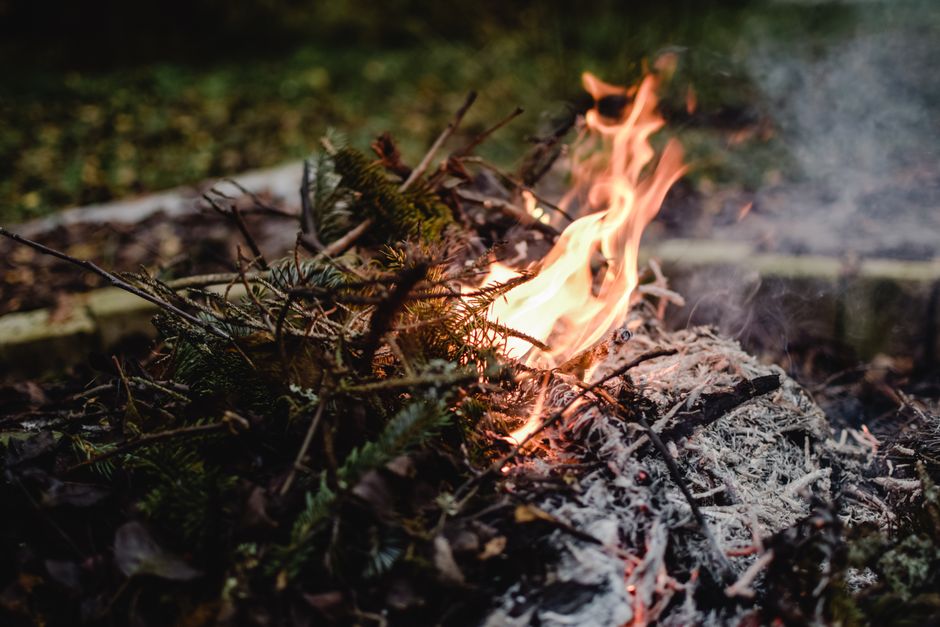
Picture a typical Bayswater back garden in early autumn. There is a pile of hedge cuttings, a few branches from tidying the boundary, and a layer of damp leaves caught in the corners. The first instinct might be to light a bonfire and deal with it in one go. Quick, done, job finished.
But when the weather is still and the windows on both sides are open, that same fire can send smoke straight into adjacent homes. One neighbour notices the smell in the hallway. Another sees ash drift onto a clothesline. Before long, what felt like a neat solution turns into a conversation nobody wanted.
In a better version of the same scenario, the garden is sorted into usable waste, the larger branches are removed through proper clearance, and the remaining material is collected or composted. The space ends up cleaner, the neighbours stay unbothered, and the whole job feels oddly calm. Not thrilling, perhaps, but calm is underrated.
This is exactly where local garden upkeep pays off. A smaller, better-managed garden creates fewer last-minute decisions. That can mean combining garden clearance with routine lawn mowing or even a broader redesign through landscaping. The result is not just tidier. It is easier to live with.
Practical Checklist
Use this before you decide to light a bonfire in a Bayswater garden.
- Is the waste suitable to burn, and is it dry?
- Is the weather calm enough to keep smoke under control?
- Will neighbours be affected by smoke, smell, or ash?
- Is the pile small and manageable?
- Have you removed anything that should not be burned?
- Is there a safer alternative such as clearance or recycling?
- Do you have water or an extinguisher-ready plan nearby?
- Can you stay with the fire until it is completely out?
- Have you thought about the timing carefully?
- Would a maintenance plan reduce the need for bonfires in the future?
If you can answer "no" to more than one of those questions, it is probably worth pausing. A pause now is better than a complaint later.
Conclusion
The easiest way to avoid fines for bonfire rules in Bayswater gardens is to treat bonfires as a carefully considered exception, not the everyday answer to garden waste. Keep the fire small, the material appropriate, the timing thoughtful, and the smoke under control. If any of those things slip, the risk to neighbours and to your own peace of mind rises fast.
For many households, the smarter move is not to burn at all. Regular upkeep, targeted clearance, and practical garden planning often do a better job with less hassle. In a busy area, that usually saves time, reduces stress, and keeps relationships pleasantly ordinary - which, frankly, is a win.
Get a free quote today and see how much you can save.
And if you are planning a larger tidy-up, it may help to explore the company's about us page to understand the approach behind the work, or head to contact us when you are ready to talk through the safest option for your garden. Sometimes the best outcome is simply a quieter one.
Frequently Asked Questions
Can I have a bonfire in my Bayswater garden?
Sometimes, but it depends on whether the fire is safe, suitable, and unlikely to cause a nuisance. In practice, the key question is not only whether you can light it, but whether you should.
What usually causes bonfire complaints from neighbours?
Smoke drifting into homes, strong smells, ash on washing, late timing, and repeated burning are common triggers. Even a small fire can become a problem if the conditions are poor.
What should never go on a garden bonfire?
Plastics, treated wood, painted materials, rubber, packaging, and general household waste should not be burned. These can create unpleasant or potentially harmful smoke.
Is it better to burn garden waste or have it cleared away?
That depends on volume and location, but in a built-up area, clearance is often cleaner and less disruptive. If you have a lot of cuttings or branches, clearance is usually the calmer option.
How can I reduce smoke from a bonfire?
Only burn dry, suitable material, keep the pile small, and avoid windy or damp conditions. If smoke is still heavy, stop and reconsider, because that usually means the setup is wrong.
Do I need to tell my neighbours before having a bonfire?
You may not always be required to, but giving notice is often sensible, especially in closely spaced homes. A quick heads-up can prevent unnecessary tension.
What is the safest time of day to have a bonfire?
Earlier in the day is usually better, when conditions are more visible and you are less likely to bother people settling in for the evening. Late-night fires are much more likely to annoy others.
Can wet garden waste be burned?
It can be, but it usually creates more smoke and smell, so it is a poor choice. Drying the material first or choosing another disposal method is generally better.
What if my garden is too small for a safe bonfire?
Then a bonfire probably is not the right solution. Smaller gardens often benefit more from garden clearance or regular maintenance than from burning waste on site.
How do I know whether I should choose maintenance instead of a bonfire?
If you keep ending up with large piles of cuttings, leaves, or branches, regular upkeep may be the better long-term fix. A maintained garden usually produces less waste and fewer last-minute decisions.
Are there better alternatives to a bonfire for garden waste?
Yes. Garden clearance, composting, reuse of suitable material, and routine maintenance are often cleaner and safer. For larger or more awkward jobs, professional help is usually worth considering.
What should I do if smoke starts affecting neighbours?
Stop adding to the fire, assess the wind, and extinguish it if needed. If the smoke is drifting persistently, the responsible move is to bring the fire to an end rather than hoping it sorts itself out.